 By Admin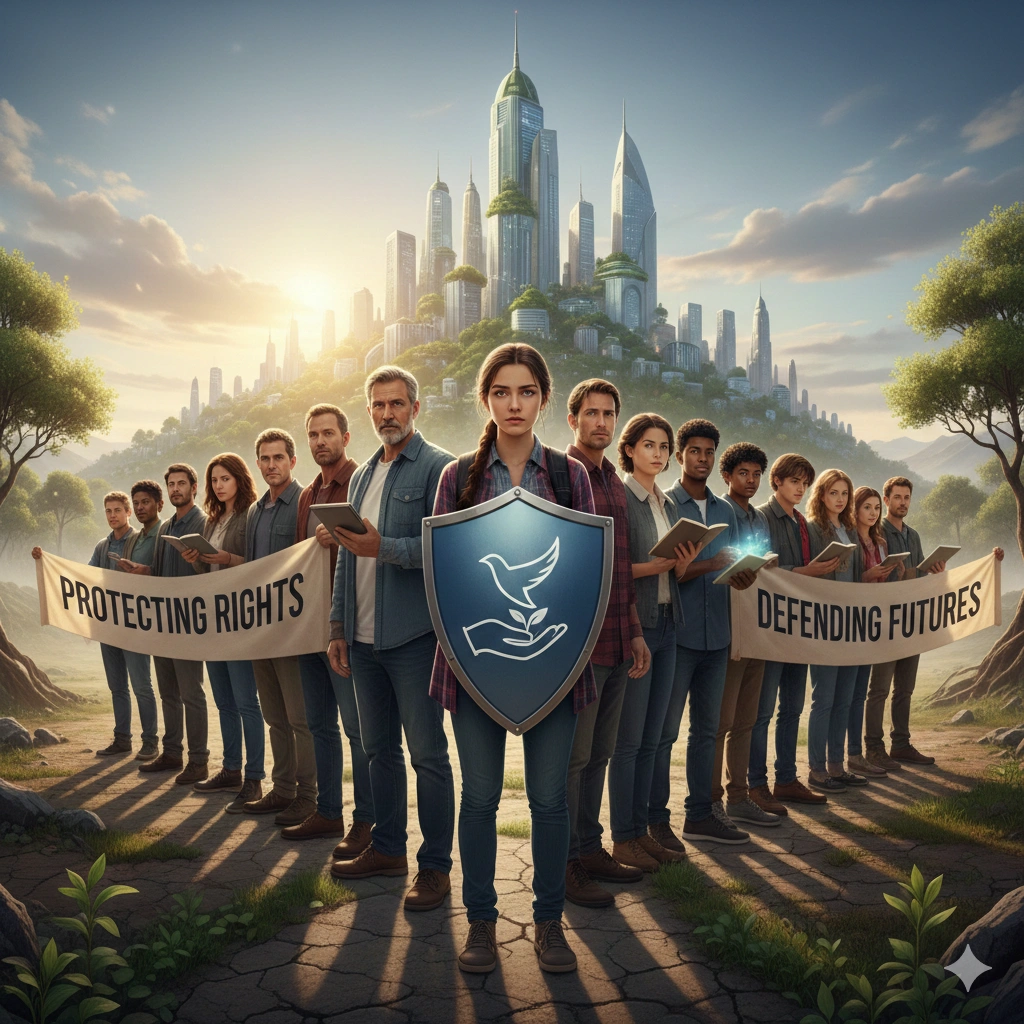
Protecting rights and defending futures through ethical legal advocacy, strategic representation, and justice-focused solutions that safeguard individuals, families, and businesses in critical times.
Introduction: Why Protecting Rights Defines the Future
Rights are not abstract concepts written only in legal texts—they are living protections that shape everyday life. They determine whether a person can speak freely, work with dignity, raise a family securely, conduct business fairly, or seek justice without fear. When rights are protected, futures flourish. When they are ignored, compromised, or violated, lives can unravel.
“Protecting Rights. Defending Futures.” is more than a slogan; it is a principle that defines responsible legal practice and ethical advocacy. In a world facing rapid social change, technological disruption, economic uncertainty, and evolving laws, the need for strong legal protection has never been greater. Individuals and organizations alike require knowledgeable guidance to navigate legal challenges while safeguarding long-term interests.
This article explores how protecting rights today directly impacts the future of individuals, families, businesses, and communities. It examines the role of law, the responsibility of legal professionals, and the importance of proactive legal awareness in defending futures across generations.
Understanding Rights: The Foundation of Justice
What Are Legal Rights?
Legal rights are entitlements granted and protected by law. They establish boundaries of acceptable behavior and define obligations between individuals, institutions, and the state. Rights exist to ensure fairness, dignity, and equality while providing remedies when violations occur.
Rights may include:
- Personal liberties
- Property ownership
- Employment protections
- Access to justice
- Privacy and data protection
- Equality before the law
Without enforcement, rights lose meaning. Legal systems exist to ensure these rights are respected and defended when challenged.
Why Rights Matter in Everyday Life
Rights shape decisions both big and small. From signing a contract to buying property, from employment agreements to family matters, rights govern interactions. When individuals understand and protect their rights, they gain control over their futures.
Failing to protect rights often leads to:
- Financial loss
- Emotional distress
- Loss of reputation
- Long-term legal consequences
- Restricted opportunities
Protecting rights early prevents future harm and preserves stability.
Defending Futures: The Long-Term Impact of Legal Protection
How Legal Decisions Shape Tomorrow
Every legal decision has consequences beyond the present moment. A contract signed today may affect a business for decades. A family law judgment can influence generations. A criminal defense outcome can redefine a person’s future entirely.
Defending futures means:
- Anticipating long-term risks
- Protecting opportunities
- Preserving dignity and freedom
- Ensuring fairness across time
Legal advocacy must balance immediate outcomes with future implications.
Prevention Over Reaction
Many people seek legal help only after a crisis arises. However, proactive legal protection is far more effective than reactive defense.
Preventive legal strategies include:
- Reviewing contracts before signing
- Understanding employment rights
- Structuring businesses legally
- Estate and succession planning
- Compliance with regulations
These measures safeguard futures by reducing exposure to risk.
The Role of Ethical Legal Advocacy
Justice Over Short-Term Gains
True legal advocacy prioritizes justice over shortcuts. Ethical lawyers do not make unrealistic promises; they provide honest guidance, realistic expectations, and principled representation.
Ethical advocacy ensures:
- Transparency in legal processes
- Respect for clients’ interests
- Fair treatment of all parties
- Sustainable legal outcomes
Defending futures requires integrity as much as expertise.
Building Trust Through Responsibility
Clients entrust legal professionals with their most critical issues—liberty, family, finances, reputation. That trust must be honored through accountability and professionalism.
Responsible legal advocacy involves:
- Clear communication
- Confidentiality
- Strategic planning
- Respect for the law
Trust is the cornerstone of effective legal protection.
Protecting Individual Rights in a Changing World
Civil Rights and Personal Liberties
Civil rights protect individuals from discrimination and abuse of power. These rights ensure freedom of expression, equality, and due process.
Safeguarding civil rights is essential to:
- Preserve democratic values
- Prevent systemic injustice
- Empower marginalized voices
- Promote social stability
Legal defense of civil rights strengthens society as a whole.
Privacy and Digital Rights
In the digital age, privacy has become one of the most critical rights. Personal data, online behavior, and digital identities are constantly at risk.
Protecting digital rights involves:
- Data protection compliance
- Cybersecurity awareness
- Responsible data usage
- Legal recourse against misuse
Defending privacy today protects personal autonomy tomorrow.
Defending Families and Personal Futures
Family Law and Long-Term Stability
Family-related legal matters have profound emotional and financial impacts. Decisions regarding marriage, divorce, custody, and inheritance define family futures.
Effective legal protection in family matters:
- Prioritizes fairness
- Safeguards children’s interests
- Reduces long-term conflict
- Ensures financial security
Family law is not just about resolving disputes—it is about preserving dignity and stability.
Estate Planning and Generational Security
Estate planning is one of the most powerful ways to defend futures. Proper planning ensures assets are distributed according to one’s wishes while minimizing conflict.
Benefits of estate planning include:
- Protecting heirs
- Avoiding legal disputes
- Preserving wealth
- Ensuring continuity
Defending future generations begins with responsible planning today.
Protecting Workers and Professional Futures
Employment Rights and Workplace Fairness
Employment is central to personal identity and financial stability. Legal protection ensures fair treatment, safe workplaces, and equal opportunities.
Key employment rights include:
- Fair wages
- Non-discrimination
- Workplace safety
- Contract enforcement
Defending workers’ rights protects careers and livelihoods.
Professional Reputation and Legal Defense
In many professions, reputation is everything. Legal challenges can threaten careers built over years.
Protecting professional futures involves:
- Defamation defense
- Contract dispute resolution
- Regulatory compliance
- Ethical guidance
A strong legal defense safeguards credibility and opportunity.
Defending Business Futures Through Legal Strategy
Business Rights and Legal Compliance
Businesses operate within complex legal frameworks. Protecting business rights ensures sustainability and growth.
Legal protection supports:
- Contract enforcement
- Intellectual property security
- Regulatory compliance
- Dispute resolution
A legally sound business is better positioned for long-term success.
Risk Management and Future Growth
Legal strategy is an essential component of risk management. Identifying potential issues early allows businesses to adapt and grow.
Proactive legal planning includes:
- Corporate structuring
- Policy development
- Compliance audits
- Crisis preparedness
Defending business futures requires foresight and expertise.
Criminal Defense: Protecting Liberty and Second Chances
Presumption of Innocence
Criminal law represents one of the most direct intersections between rights and futures. A single accusation can alter a life permanently.
Defending criminal rights ensures:
- Fair trials
- Due process
- Protection from wrongful conviction
Every individual deserves a strong defense, regardless of circumstances.
Rehabilitation and Reintegration
Defending futures in criminal law also means supporting rehabilitation and reintegration. Justice is not only about punishment but also about restoration.
Legal advocacy can:
- Reduce long-term consequences
- Protect employment prospects
- Preserve family relationships
A fair defense protects both present rights and future opportunities.
Access to Justice: A Pillar of Social Progress
Removing Barriers to Legal Protection
Access to justice is essential for protecting rights. When legal help is inaccessible, rights become privileges rather than guarantees.
Promoting access to justice involves:
- Simplifying legal processes
- Legal education and awareness
- Ethical legal practice
A fair society ensures legal protection is not limited to the privileged.
Legal Awareness and Empowerment
Educated individuals are better equipped to protect their rights. Legal awareness empowers people to make informed decisions.
Benefits of legal education include:
- Reduced exploitation
- Better conflict resolution
- Increased confidence
Empowered citizens build stronger futures.
The Human Impact of Legal Protection
Emotional Security and Peace of Mind
Legal challenges often bring stress and uncertainty. Knowing that rights are protected provides emotional stability.
Legal protection offers:
- Confidence in decision-making
- Reduced anxiety
- Greater focus on growth
Peace of mind is a powerful outcome of effective advocacy.
Restoring Trust in Justice
When legal systems function fairly, public trust increases. Defending rights restores faith in justice and institutions.
Trust strengthens:
- Social cohesion
- Economic growth
- Democratic values
Defending futures is also about preserving belief in fairness.
Adapting Legal Protection for the Future
Evolving Laws and Global Challenges
Law evolves alongside society. Emerging issues such as technology, environmental protection, and global commerce require adaptive legal frameworks.
Future-focused legal protection includes:
- Continuous learning
- Ethical innovation
- Cross-disciplinary expertise
Protecting rights tomorrow requires preparation today.
Technology and Legal Innovation
Technology is transforming legal services, improving access and efficiency. However, it also raises ethical and privacy concerns.
Responsible innovation ensures:
- Transparency
- Accountability
- Client protection
Technology should strengthen, not weaken, rights.
Why “Protecting Rights. Defending Futures.” Matters Today
This principle reflects a commitment to justice that transcends individual cases. It recognizes that every legal action shapes a future—whether personal, professional, or societal.
Protecting rights:
- Prevents injustice
- Preserves dignity
- Enables opportunity
Defending futures:
- Ensures sustainability
- Supports growth
- Builds legacy
Together, they form the foundation of ethical legal practice and social progress.
Conclusion: A Commitment That Endures
Protecting rights is not optional—it is essential. Defending futures is not temporary—it is ongoing. Legal advocacy grounded in integrity, foresight, and compassion creates lasting impact.
Whether safeguarding individual liberties, supporting families, empowering workers, or guiding businesses, the mission remains the same: to ensure justice today and opportunity tomorrow.
“Protecting Rights. Defending Futures.” is not just about law—it is about life, dignity, and the promise of a fairer world.
Also Read : Elite Legal Solutions Specialist – Your Trusted Advocate for Justice
sources :
FAQs :
1. What does protecting rights mean in legal terms?
Protecting rights means ensuring that legal entitlements granted by law are respected, enforced, and defended when challenged.
2. How does legal protection influence future outcomes?
Legal protection prevents long-term risks, preserves opportunities, and ensures stability in personal and professional life.
3. Why is ethical legal advocacy important?
Ethical advocacy builds trust, ensures fairness, and creates sustainable legal outcomes without false promises.
4. Can proactive legal planning prevent disputes?
Yes, proactive planning reduces risks, avoids conflicts, and strengthens long-term security.
5. How does legal awareness help individuals?
Legal awareness empowers individuals to make informed decisions and protect themselves from exploitation.