 By Admin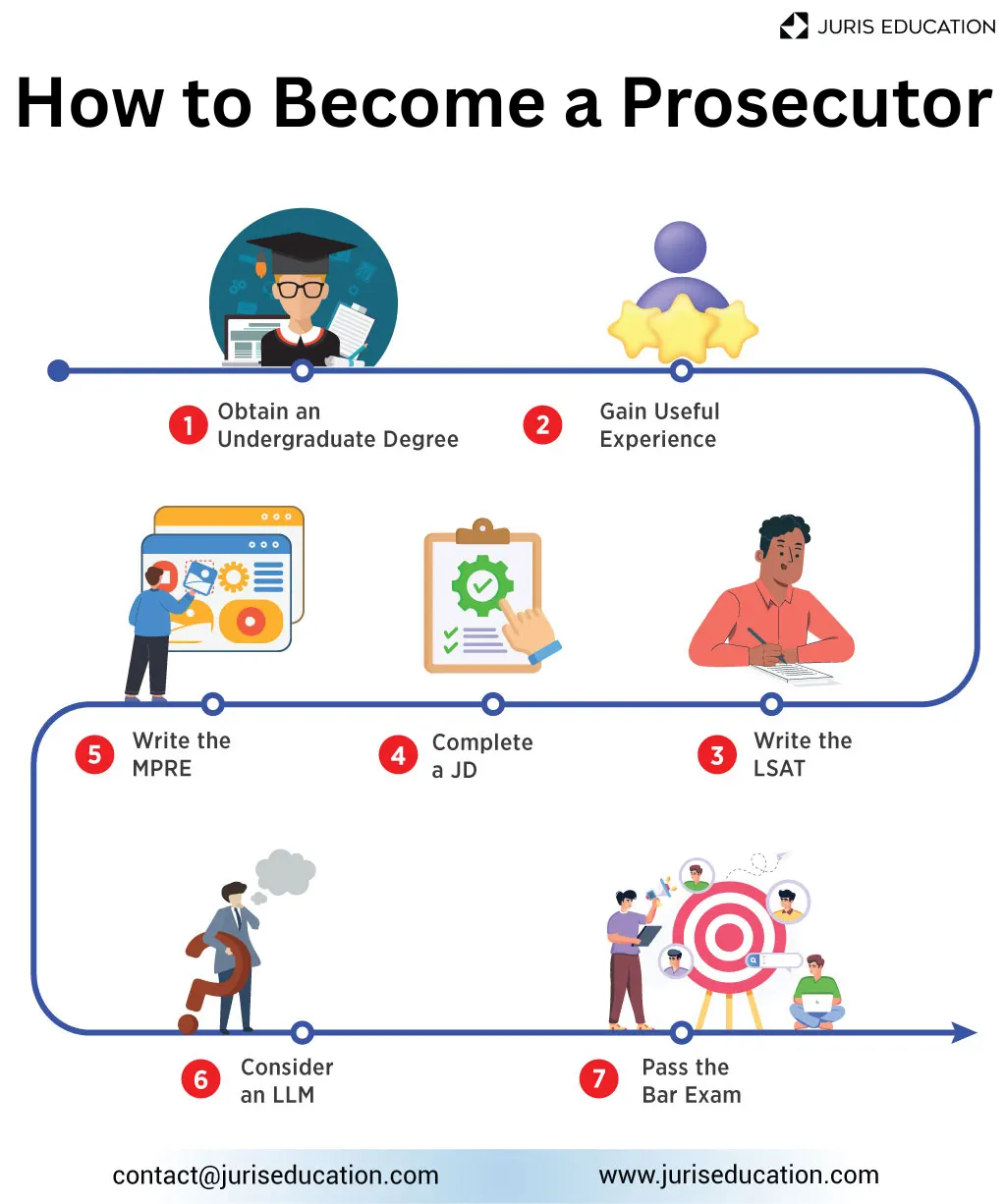
Learn how to become a prosecutor with this step-by-step career guide. Explore required education, skills, training, exams, experience, salary insights, and a complete roadmap to becoming a prosecutor.
Becoming a prosecutor is one of the most rewarding—and demanding—career paths within the legal field. Prosecutors play a central role in the justice system, representing the government and ensuring justice is served. Their work influences public safety, victims’ rights, and the integrity of legal proceedings.
If you aspire to enter this field, you may be wondering:
- What qualifications do you need?
- What is the exact career path?
- How long does it take?
- What skills are essential?
- What exams or certifications are required?
- What does a prosecutor actually do day-to-day?
- What is the salary outlook?
This comprehensive 6,000-word guide answers all of that and more.
Whether you’re a student, law aspirant, or professional considering a transition to criminal law, this guide will help you understand every phase of the path.
1. Who Is a Prosecutor?
A prosecutor is a lawyer who represents the government in criminal cases. Their duty is to pursue justice, not just win cases. Prosecutors decide whether to file charges, negotiate plea deals, and argue cases in court. In different regions, prosecutors may be called:
- District Attorney (DA)
- State Attorney
- Crown Prosecutor
- Public Prosecutor
- Federal Prosecutor
- Assistant District Attorney (ADA)
Regardless of title, their function is to enforce criminal laws fairly, ethically, and effectively.
2. Why Become a Prosecutor? (Benefits & Motivation)
Before diving into the career steps, let’s explore why people choose this profession.
2.1 Serve the Public
You work for justice and community safety.
2.2 Meaningful Work
Prosecutors often handle sensitive cases involving real victims and major societal issues.
2.3 Courtroom Experience
If you love litigation, argument, and trial work, this is the most active litigation role.
2.4 Strong Career Growth
Experienced prosecutors move into roles such as:
- Chief Prosecutor
- District Attorney
- Government Legal Advisor
- Judge
- Legal Policy Consultant
2.5 Respect & Responsibility
Prosecutors have significant authority and influence.
3. Step-by-Step Guide: How to Become a Prosecutor
This section walks you through every stage—from high school to your first day in a prosecutor’s office.
Step 1: Complete Your High School Education
Although the legal path truly begins in college, high school choices can set a strong foundation.
Courses That Help:
- Political Science
- Civics
- English Literature
- Public Speaking
- Psychology
- Debate & Mock Trial Clubs
Skills to Develop:
- Critical thinking
- Argumentation
- Reading comprehension
- Writing
- Leadership
Participating in Debate Club, Model United Nations, or Student Government is very helpful.
Step 2: Earn a Bachelor’s Degree
Before attending law school, you need a bachelor’s degree. There’s no mandatory major, but the following are highly recommended:
Best Majors for Aspiring Prosecutors
- Criminal Justice
- Political Science
- Psychology
- Pre-Law
- Sociology
- History
- Philosophy
- Forensic Science
Tips for Undergraduate Success
- Maintain a strong GPA.
- Develop research and writing skills.
- Intern with legal organizations or NGOs.
- Volunteer with justice or advocacy groups.
Step 3: Take the Required Law School Entrance Exam
Depending on your country, you may need:
- LSAT (USA and similar systems)
- CLAT / AILET / LSAT-India (India)
- Bar exam eligibility tests (various jurisdictions)
- University-specific law entrance exams
Why This Exam Matters
Your law school admission depends heavily on this score.
How to Prepare
- Take mock tests frequently.
- Study logical reasoning and reading comprehension.
- Review analytical reasoning strategies.
Step 4: Attend Law School (LLB or JD)
Law school typically lasts 3–5 years, depending on your country.
Core Courses for Future Prosecutors
- Criminal Law
- Criminal Procedure
- Evidence
- Constitutional Law
- Forensic Evidence
- Trial Advocacy
- Ethics & Professional Responsibility
Recommended Extracurricular Activities
- Moot Court Competitions
- Mock Trial Teams
- Legal Aid Clinics
- Internships with:
- Prosecutor’s Offices
- District Attorney’s Offices
- Public Defender Offices
- Police Departments
- Criminal Courts
Why These Experiences Matter
They build courtroom confidence and help you decide if prosecution suits your personality.
Step 5: Complete Internships or Clerkships
Hands-on experience is crucial.
Where to Intern
- Public Prosecutor’s Office
- District Attorney’s Office
- Law Enforcement Legal Units
- Judiciary (Judge’s Chambers)
- Criminal Law Firms
These internships help you understand:
- Case review
- Courtroom proceedings
- Evidence evaluation
- Legal documentation
They also strengthen your résumé.
Step 6: Pass the Bar Examination
To practice law, passing the Bar Exam is mandatory.
Bar Exam Components
- Criminal Law
- Evidence
- Constitutional Law
- Procedure
- Ethics
Bar Exam Tips
- Study past papers.
- Join review courses.
- Practice essay-style questions.
After passing, you officially become a licensed attorney.
Step 7: Gain Experience as an Attorney
Many prosecutors start their careers in:
- Criminal litigation
- Public defender roles
- Law firms focusing on criminal law
- Government legal roles
- Legal clerk positions
Why This Step Helps
Prosecutor jobs are competitive. Experience helps you:
- strengthen legal skills,
- learn courtroom procedure,
- understand strategies from both defense and prosecution sides.
Step 8: Apply to Become a Prosecutor
Once licensed and trained, you can apply for positions like:
- Assistant District Attorney (ADA)
- Junior Public Prosecutor
- State Attorney
- Crown Prosecutor
- Government Advocate
Application Requirements
Most offices expect:
- strong academic record
- litigation experience
- writing samples
- interviews and oral advocacy tests
Step 9: Train on the Job
New prosecutors undergo:
- courtroom training
- ethical training
- case file management training
- trial advocacy workshops
- mentorship from senior prosecutors
This phase helps you refine:
- charge evaluation
- plea negotiation
- case theory development
- witness preparation
- courtroom strategy
4. Essential Skills Every Prosecutor Needs
To succeed, a prosecutor must master multiple competencies.
4.1 Communication Skills
Clear presentation and argumentation in court.
4.2 Legal Research & Writing
Drafting motions, briefs, and legal opinions.
4.3 Critical Thinking
Analyzing evidence, forming case strategy.
4.4 Ethical Judgment
Prosecutors must seek truth, not just convictions.
4.5 Public Speaking
Delivering opening statements and examining witnesses.
4.6 Negotiation
Plea bargaining requires diplomacy and strategy.
4.7 Emotional Intelligence
Understanding victim trauma and handling sensitive cases.
4.8 Time Management
Prosecutors often manage dozens of cases simultaneously.
5. Career Paths for Prosecutors
After gaining experience, prosecutors can advance into:
- Senior Prosecutor
- Chief Prosecutor
- District Attorney
- Legal Advisor to Government Agencies
- Special Prosecutor for high-profile cases
- Judge (after additional qualifications)
- Law Professor
- Policy Expert on Criminal Justice Reform
6. Salary Outlook
Salary varies widely by country and region.
Typical Earnings
- Entry-level prosecutors earn moderate salaries but rise quickly.
- Senior prosecutors earn substantially more.
- Federal prosecutors often earn the highest salaries in government legal roles.
Salary Influencers
- Experience
- Location
- Office budget
- Case specialization (e.g., cybercrime, homicide)
7. Work-Life Balance & Challenges
Prosecutors face challenges such as:
- heavy caseloads
- emotional stress
- exposure to violent crime and sensitive stories
- long hours during trials
- pressure from media and public
However, many prosecutors find meaning in serving justice and helping victims.
8. Real-Life Day in the Life of a Prosecutor
A typical day may include:
- reviewing case files
- meeting police officers
- analyzing evidence
- negotiating pleas
- attending court hearings
- meeting victims and witnesses
- drafting legal motions
- preparing for trials
- giving legal advice to investigators
Every day is intense, fast-paced, and rewarding.
9. Tips for Students Aspiring to Be Prosecutor
- Build public speaking confidence.
- Volunteer for legal aid or NGOs.
- Read criminal law cases regularly.
- Participate in debates and moot court.
- Network with legal professionals.
- Maintain strong academic performance.
- Seek mentors in the legal field.
10. Conclusion
Becoming a prosecutor is a journey of dedication, education, and commitment to justice. The path includes:
- completing a bachelor’s degree,
- attending law school,
- passing the bar exam,
- gaining courtroom experience,
- and finally joining a prosecutor’s office.
While the process is challenging, the career is deeply fulfilling for those passionate about criminal law, public service, and making a positive impact on society.
Prosecutors are not just lawyers—they are guardians of justice.
Also Read : Become Your Own Boss – Start a Lucrative Freelance Career
source :
Association of Corporate Counsel (ACC)
FAQs :
1. How long does it take to become a prosecutor?
Typically 7–10 years including college, law school, and bar exam.
2. Do you need trial experience?
Not always, but it greatly increases your chances.
3. What degree do I need?
A law degree (LLB or JD) and bar license.
4. Can I become a prosecutor without being a lawyer?
No, you must be a licensed attorney.
5. Do prosecutors only handle criminal cases?
Yes, prosecution is specifically for criminal matters.
6. What skills should I develop in law school?
Litigation, writing, research, ethics, negotiation, and public speaking.
7. Are prosecutor jobs competitive?
Yes, especially in high-profile districts.