 By Admin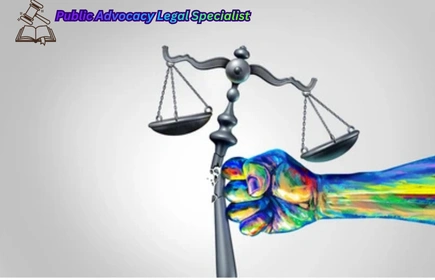
Public Advocacy Legal Specialist. Explore how community-focused legal professionals fight for justice, empower underserved populations, influence public policy, and ensure equitable treatment through strategic advocacy, legal action, and public education.
⭐ Introduction: The Growing Importance of Public Advocacy in Modern Society
Across the world, communities face systemic challenges—inequality, discrimination, lack of representation, and barriers accessing justice. The individuals most affected often lack legal knowledge or resources to stand up for themselves. This is where the Public Advocacy Legal Specialist steps in.
A Public Advocacy Legal Specialist is more than a legal advisor. They are a:
- Community protector
- Policy influencer
- Rights educator
- Voice for the voiceless
Their mission is simple yet powerful: fight for community justice, defend vulnerable groups, and ensure every individual receives fair treatment under the law.
This article explores the role, responsibilities, strategies, and real-world impact of these professionals in a detailed, highly informative, SEO-optimized format.
⭐ Chapter 1: Understanding the Role of a Public Advocacy Legal Specialist
A Public Advocacy Legal Specialist is a legal professional dedicated to addressing issues that affect communities at large. Unlike traditional lawyers who primarily represent individuals or corporate clients, this specialist focuses on:
- Community justice
- Public rights protection
- Government accountability
- Fair policy enforcement
- Legal empowerment at grassroots levels
Core Purpose of the Role
The core mission is to bridge the gap between communities and justice systems by:
- Advocating for legal reforms
- Ensuring public rights are upheld
- Supporting underserved populations
- Educating people about their rights
- Taking legal action when public interests are harmed
This role blends elements of law, activism, public policy, education, and community engagement.
⭐ Chapter 2: Key Responsibilities of a Public Advocacy Legal Specialist
1. Community Representation
They represent groups affected by social issues such as:
- Housing insecurity
- Domestic violence
- Environmental injustice
- Workplace discrimination
- Health care disparities
- Poverty-based legal barriers
2. Policy Advocacy
They work with government agencies, lawmakers, and nonprofit groups to:
- Promote fair policies
- Challenge discriminatory regulations
- Reform outdated laws
3. Legal Research & Case Development
They analyze:
- Statutes
- Public policy documents
- Regulatory guidelines
- Case precedents
to build strong evidence-based advocacy efforts.
4. Public Legal Education
Education is critical. They conduct:
- Workshops
- Social awareness drives
- Community meetings
- Rights awareness campaigns
5. Coalition Building
They collaborate with:
- NGOs
- Advocacy coalitions
- Community leaders
- Law enforcement
- Local government bodies
6. Litigation & Legal Action
When necessary, they take matters to court to:
- Challenge injustice
- Demand accountability
- Protect community interests
⭐ Chapter 3: The Principles Behind Community Justice
A Public Advocacy Legal Specialist works based on these principles:
1. Equity Over Equality
They understand that not everyone starts at the same place. Equity means:
- Giving people the support they need
- Removing systemic barriers
2. Inclusive Representation
Justice must include:
- Minorities
- Women
- Children
- Disabled persons
- Immigrant communities
- Marginalized groups
3. Accountability
Institutions must be held responsible when:
- Rights are violated
- Regulations are ignored
- Corruption occurs
4. Community Empowerment
Empowering individuals to:
- Understand their rights
- Stand up against injustice
- Participate in local governance
⭐ Chapter 4: Areas of Work for Public Advocacy Legal Specialists
1. Social Justice
Working on cases involving:
- Civil rights
- Gender equality
- Anti-discrimination
- LGBTQ+ protections
- Disability rights
2. Economic Justice
Ensuring fairness in:
- Wage laws
- Labor rights
- Job discrimination
- Workers’ safety
3. Health & Safety Advocacy
Protecting public health through:
- Public health regulations
- Hospital rights
- Environmental concerns
4. Housing Rights
Including:
- Fair rent practices
- Tenants’ rights
- Homelessness prevention
5. Education Rights
Working to improve:
- Education access
- Anti-bullying policies
- Special education rights
6. Environmental Justice
Addressing:
- Pollution
- Climate impact
- Unsafe living environments
⭐ Chapter 5: Why Communities Need Public Advocacy Legal Specialists
Communities face challenges that often go unaddressed:
- Low awareness of legal rights
- Bureaucracy
- Systemic bias
- Resource shortages
- Cultural and language barriers
These specialists help by:
- Offering free or low-cost assistance
- Building trust between citizens and institutions
- Preventing exploitation
- Enhancing democratic participation
They make justice accessible and achievable for everyday people.
⭐ Chapter 6: Essential Skills for Public Advocacy Legal Specialists
1. Strong Legal Knowledge
Understanding statutes, regulations, and legal precedents.
2. Communication Skills
Explaining complex issues in simple language.
3. Empathy & Cultural Sensitivity
Respecting diverse backgrounds and experiences.
4. Public Speaking
Advocating at meetings, rallies, and hearings.
5. Research & Analysis
Preparing strong, evidence-backed advocacy strategies.
6. Negotiation Skills
Working with government officials and stakeholders.
7. Leadership & Team Collaboration
Guiding community movements and legal campaigns.
⭐ Chapter 7: How Public Advocacy Legal Specialists Influence Policy
1. Drafting Policy Recommendations
They help write new laws or propose amendments.
2. Presenting Findings to Government Bodies
They testify before:
- Legislative committees
- City councils
- Regulatory agencies
3. Monitoring Government Performance
They ensure compliance with:
- Human rights standards
- Public safety laws
- Environmental regulations
4. Community Mobilization
They empower communities to demand change collectively.
⭐ Chapter 8: Tools & Strategies Used in Public Advocacy
Legal Strategies
- Public interest litigation
- Freedom of information requests
- Constitutional challenges
Community Strategies
- Community meetings
- Protests
- Social media campaigns
Research Strategies
- Policy analysis
- Field surveys
- Data investigations
⭐ Chapter 9: Challenges Faced by Public Advocacy Legal Specialists
1. Limited Funding
Advocacy work often relies on nonprofit support.
2. Political Resistance
Governments may resist change.
3. Community Mistrust
Communities fearing injustice may hesitate to engage.
4. Emotional Stress
They often work with:
- Trauma survivors
- Marginalized populations
5. Risk of Retaliation
Speaking against powerful institutions can be dangerous.
⭐ Chapter 10: The Future of Public Advocacy in a Digital World
Digital Tools Changing Advocacy
- AI-based legal research
- Social media activism
- Virtual town halls
- Online public petitions
Technology Helps By
- Increasing transparency
- Spreading awareness faster
- Allowing global collaboration
- Providing access to digital evidence
The future of advocacy is powerful, connected, and more community-driven than ever.
⭐ Conclusion
A Public Advocacy Legal Specialist plays a vital role in shaping fair and equitable societies. Their fight for community justice is grounded in:
- Legal skill
- Empathy
- Advocacy
- Education
- Community partnership
They are the champions of fairness, ensuring that justice isn’t just a word—but a lived reality for every member of society.
Also Read : Elite Legal Solutions Specialist – Your Trusted Advocate for Justice
sources :
✅ FAQs :
1. What does a Public Advocacy Legal Specialist do?
They focus on community justice, represent public interests, push for policy reforms, and protect vulnerable groups.
2. Who needs public advocacy legal services?
Communities facing discrimination, injustice, environmental hazards, poverty, or lack of legal access.
3. Do Public Advocacy Legal Specialists go to court?
Yes, they can file public interest cases and represent communities in court when required.
4. Are they similar to human rights lawyers?
They have overlapping roles but focus more on community-level legal empowerment and local justice issues.
5. Can they influence policy?
Absolutely. They are often key advisors during law-making and legislative reforms.