 By Admin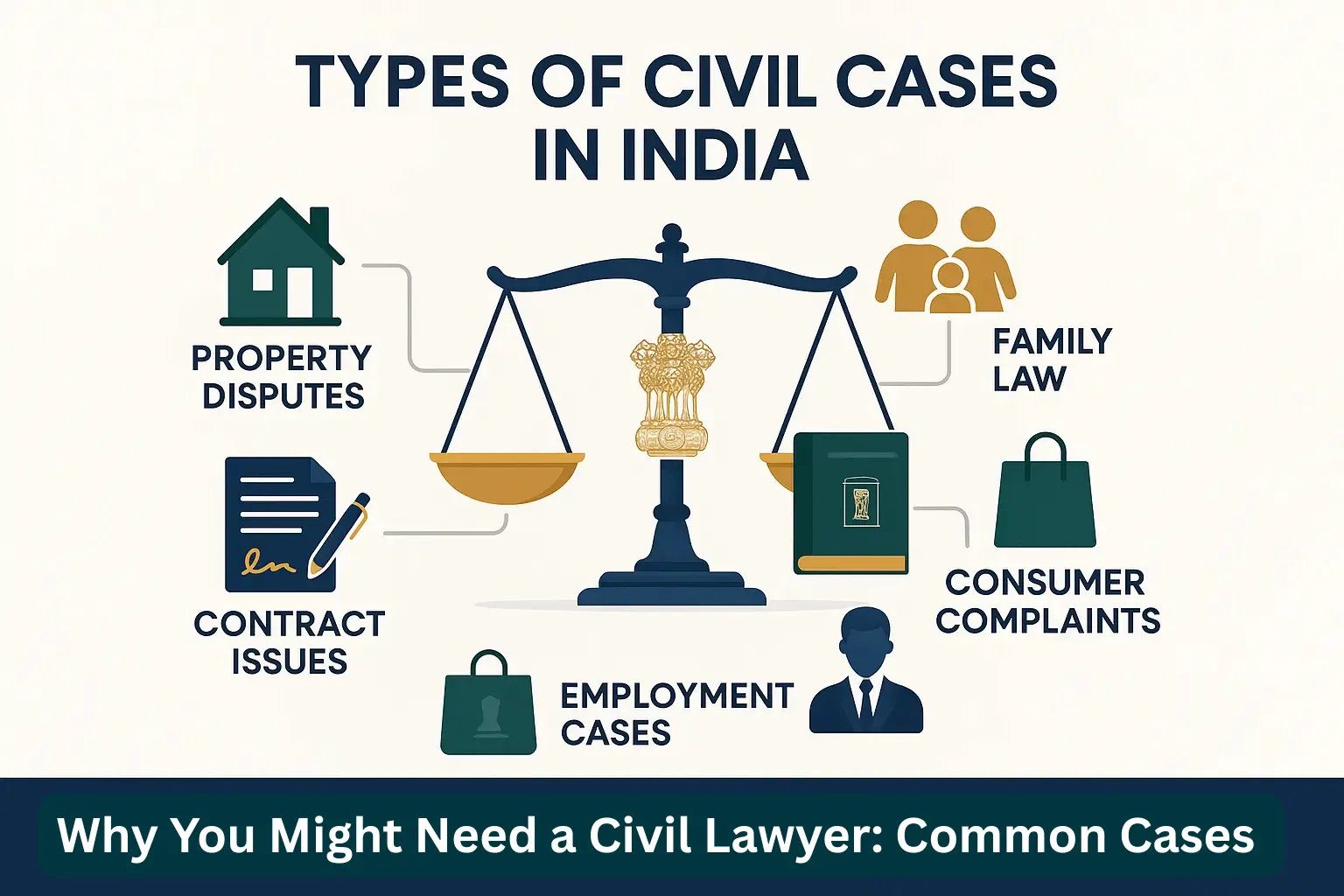
“Learn why you may need a civil lawyer. Explore common cases like property disputes, contracts, family matters, injury claims & how legal help protects your rights.”
Civil law governs the relationships, disputes, and obligations between individuals, organizations, and entities. Whenever a disagreement arises that does not involve criminal charges but still affects your rights, finances, or property, a civil lawyer can help protect your interests and guide you through the legal process.
From resolving contractual disputes to fighting compensation battles, civil lawyers play a crucial role in maintaining fairness and resolving conflicts without resorting to criminal litigation.
This in-depth guide explains why you might need a civil lawyer, what types of cases they handle, how they help you, what to expect, and how to choose the right civil attorney for your situation.
1. Understanding What a Civil Lawyer Does
A civil lawyer specializes in non-criminal legal matters. Their primary responsibility is to represent clients in disputes that involve rights, duties, and liabilities.
Key roles of a civil lawyer include:
- Advising clients on legal rights and obligations
- Drafting legal documents (contracts, petitions, agreements)
- Negotiating settlements
- Representing clients in court and mediation
- Investigating facts, gathering evidence, and preparing legal strategies
- Protecting clients from unfair practices or legal loopholes
Civil lawyers may specialize in fields like property law, employment law, contracts, family matters, tort (injury) claims, estates, and more.
2. Why You Might Need a Civil Lawyer
Many people only think about hiring a lawyer after a dispute becomes serious. However, consulting a civil lawyer early can prevent financial losses, protect your rights, and help resolve issues more efficiently.
Below are the most common reasons you may need a civil lawyer.
Common Cases Where You Need a Civil Lawyer
3. Property and Real Estate Disputes
Property conflicts are one of the most frequent reasons to hire a civil lawyer. These disputes can involve homes, land, commercial buildings, rentals, or inherited properties.
Types of property disputes include:
- Ownership disputes
- Illegal possession or encroachment
- Boundary disagreements
- Title disputes
- Fraud in property transactions
- Landlord-tenant conflicts
- Eviction cases
- Problems with property inheritance
A civil lawyer helps you ensure proper documentation, defend your ownership, and resolve conflicts through negotiation or litigation.
4. Contract Disputes and Breach of Agreement
Contracts govern countless aspects of personal and business life. When one party fails to honor their promises, it can cause losses and legal consequences.
Situations where a civil lawyer is needed:
- Broken business contracts
- Non-payment or delayed payment
- Service delivery failures
- Work not completed as agreed
- Misrepresentation in agreements
- Disputes between partners or vendors
A civil lawyer can:
- Review or draft contracts
- Identify risks or unfair clauses
- Help enforce or terminate agreements
- Seek compensation for breach
5. Family Law Matters
Although family cases can be emotionally charged, they still fall under civil law. A civil lawyer helps manage sensitive issues carefully, ensuring your rights stay protected.
Common family law cases include:
- Divorce and legal separation
- Child custody and visitation
- Alimony and maintenance disputes
- Property division between spouses
- Domestic partnership issues
- Adoption and guardianship
- Family property disputes
A family lawyer ensures the outcome aligns with legal fairness and long-term stability.
6. Employment and Workplace Disputes
Workplace disputes often require a civil lawyer to protect you from exploitation or unfair decisions.
Common employment-related cases:
- Wrongful termination
- Workplace harassment or discrimination
- Salary and wage disputes
- Breach of employment contracts
- Violation of labor laws
- Unsafe working conditions
- Non-compete agreements
Civil lawyers help ensure justice and fair treatment at the workplace.
7. Personal Injury and Tort Claims
Injury cases involving negligence or intentional harm are handled under tort law, a major branch of civil law.
Examples include:
- Car and road accidents
- Slip and fall injuries
- Medical malpractice
- Defamation cases
- Product liability
- Workplace injuries
- Dog bites or animal attacks
Civil lawyers help victims claim:
- Medical expenses
- Lost wages
- Compensation for pain and suffering
- Long-term rehabilitation expenses
This is a vital area where experienced representation significantly impacts the outcome.
8. Consumer Protection Cases
When customers receive defective products, unfair service, or dishonest business practices, a civil lawyer can help.
Examples:
- False advertising
- Fraud by retailers or service providers
- Overcharging or billing disputes
- Defective products causing harm
- Issues with warranty or return policies
Consumer law empowers individuals against unfair corporate practices.
9. Business and Corporate Disputes
Businesses frequently face civil issues that require legal support.
Common disputes include:
- Partnership conflicts
- Shareholder disagreements
- Company liability issues
- Intellectual property disputes
- Misuse of business information
- Vendor or supplier disputes
A civil lawyer helps ensure compliance with regulations and smooth business functioning.
10. Debt, Loan, and Financial Disputes
Money-related conflicts are another major area of civil law practice.
Examples:
- Loan default disagreements
- Credit disputes
- Debt recovery cases
- Mortgage fraud
- Issues with financial institutions
Legal support helps prevent financial exploitation and ensures proper legal procedures.
11. Wills, Estate Planning & Probate Cases
When individuals want to secure their family’s future or resolve inheritance issues, a civil lawyer plays a central role.
Services include:
- Drafting wills
- Estate planning
- Executor services
- Probate litigation
- Trust management
- Resolving disputes among heirs
A civil lawyer ensures the deceased’s wishes are honored lawfully.
How a Civil Lawyer Helps You
12. Legal Advice and Strategy
A civil lawyer understands complex laws and uses them to guide you through the best path forward—negotiation, settlement, or full litigation.
13. Drafting & Reviewing Documents
Contracts, notices, claims, petitions, agreements, affidavits—every document must be legally sound. A civil lawyer ensures accuracy and protects you from loopholes.
14. Representation in Court
If the conflict escalates, your lawyer becomes your voice before the judge. They prepare evidence, arguments, and legal submissions to defend your case.
15. Negotiation & Settlement
Most civil disputes end in settlement. A lawyer helps secure favorable terms while avoiding future risks.
16. Protecting Your Rights
Whether you’re facing property disputes or wrongful termination, a civil lawyer ensures that no one violates your legal rights.
17. Preventive Legal Support
Hiring a civil lawyer before signing a contract or entering a risky situation can prevent expensive disputes later.
How to Know When You Absolutely Need a Civil Lawyer
You should consult a civil lawyer if:
- A dispute affects your finances
- Your rights or property are at risk
- You are being sued or want to file a lawsuit
- You received a legal notice
- A contract seems confusing or unfair
- Someone has caused you harm or financial loss
- A dispute cannot be resolved through discussion
Civil lawyers provide clarity in complicated situations and help you avoid costly mistakes.
How to Choose the Right Civil Lawyer
When selecting a civil lawyer, consider:
✔ Experience in your type of case
✔ Track record of settlements & courtroom success
✔ Communication style
✔ Fees and transparency
✔ Reviews or client testimonials
✔ Availability & dedication
✔ Their approach (aggressive, strategic, compassionate, etc.)
Hiring the right lawyer can significantly influence the outcome of your legal dispute.
Conclusion
Civil lawyers play a crucial role in helping individuals and businesses navigate disputes fairly and legally. From protecting property to resolving contracts, from family matters to consumer rights, civil lawyers ensure justice and clarity in some of life’s most challenging situations.
If you find yourself facing uncertainty, conflict, or legal risks, consulting a civil lawyer is often the smartest and most protective step you can take.
Also Read : Become Your Own Boss – Start a Lucrative Freelance Career
sources :
https://www.americanbar.org/groups/public_education/resources/law_issues_for_consumers/civil
https://www.law.cornell.edu/wex/civil_law
https://www.nolo.com/legal-encyclopedia/property-law
FAQs :
1. What is a civil lawyer?
A civil lawyer handles non-criminal disputes involving rights, property, money, family matters, contracts, and personal injuries.
2. How much does a civil lawyer cost?
Fees depend on the lawyer’s experience, location, and case complexity. Some charge hourly, while others use fixed or contingency fees.
3. Do I need a civil lawyer for a small dispute?
Yes, even small disputes benefit from legal advice to avoid future complications.
4. Can a civil lawyer help with property disputes?
Absolutely. Property cases are one of the most common areas of civil law.
5. What documents should I show my civil lawyer?
Contracts, notices, property certificates, bills, communication records, agreements, and anything relevant to your dispute.