 By Admin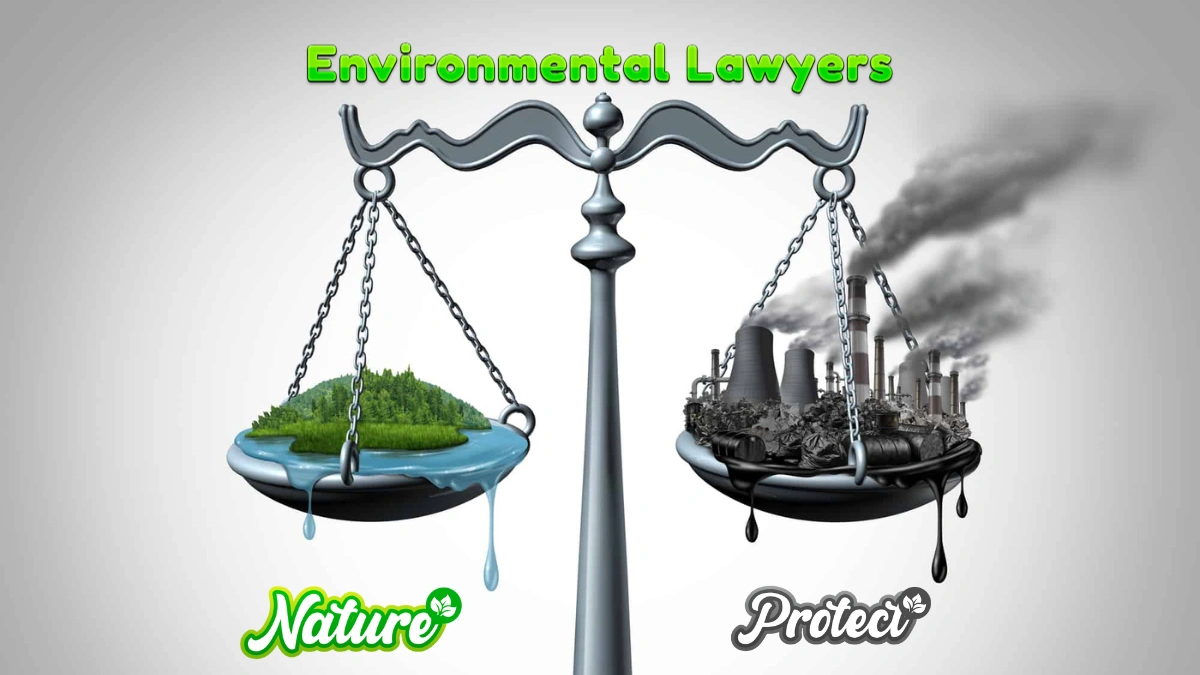
Discover how environmental lawyers protect nature and communities, fight pollution, enforce environmental laws, and support a sustainable future.
Introduction: Why Environmental Lawyers Matter Today
From record-breaking heatwaves to polluted rivers and rapidly shrinking forests, the world is facing environmental challenges on an unprecedented scale. Communities are seeing the consequences firsthand — contaminated drinking water, harmful industrial waste, climate-driven disasters, and illegal land exploitation. In such a critical moment, environmental lawyers stand at the front line, advocating for nature and protecting the rights of people most affected by environmental harm.
Environmental lawyers are legal professionals specializing in environmental rights, policies, regulations, and litigation. Their work bridges the gap between science, law, public interest, and sustainability, ensuring that governments, corporations, and individuals follow environmental regulations that safeguard ecosystems and human health.
This detailed article explores everything about environmental lawyers — their roles, responsibilities, specialization areas, real-world impact, required skills, salary trends, and how they fight for both nature and communities. Whether you are a student exploring a career in environmental law, someone interested in environmental protection, or a business owner wanting to understand compliance, this guide gives you a complete, in-depth perspective.
Who Are Environmental Lawyers?
Environmental lawyers specialize in legal matters related to climate change, pollution, land use, natural resources, and public health. They ensure that environmental laws are followed, assist in creating greener policies, and help communities fight harmful ecological practices.
They represent:
- Individuals affected by environmental damage
- NGOs and environmental organizations
- Government agencies
- Corporations needing compliance guidance
- Indigenous and rural communities
- Wildlife protection authorities
Their core mission is simple yet impactful: protect nature, protect people.
The Growing Importance of Environmental Lawyers
Environmental issues have become global emergencies, with rising concerns such as:
- Climate change and extreme weather
- Air and water pollution
- Illegal deforestation
- Poor waste management
- Toxic chemical exposure
- Loss of wildlife and biodiversity
- Industrial damage to local communities
Governments and international bodies are now enforcing stricter environmental regulations, increasing the demand for environmental legal experts.
Additionally, more communities are speaking up against injustice — from oil spills to contaminated groundwater — and environmental lawyers are essential in bringing these issues to court.
Key Responsibilities of Environmental Lawyers
Environmental lawyers perform a broad range of tasks. Their responsibilities differ depending on whether they work in government agencies, private firms, NGOs, or corporate legal teams.
1. Litigation
Environmental lawyers represent clients in legal disputes, including cases involving:
- Pollution violations
- Industrial contamination
- Illegal deforestation
- Wildlife trafficking
- Toxic waste disposal
- Breach of environmental regulations
They gather evidence, prepare legal documentation, file lawsuits, and argue in court.
2. Drafting Environmental Laws & Policies
Many environmental lawyers help draft:
- Environmental protection laws
- Sustainability policies
- Government regulations
- Corporate environmental guidelines
They collaborate with scientists, policymakers, and environmental activists.
3. Ensuring Regulatory Compliance
Businesses must comply with:
- Waste management rules
- Emission standards
- Hazardous material regulations
- Land use laws
Environmental lawyers ensure companies follow these guidelines, preventing penalties and promoting sustainability.
4. Advising Government & NGOs
They provide legal advice on environmental development, conservation strategies, and eco-friendly infrastructure planning.
5. Protecting Indigenous Rights
Across countries, indigenous tribes are losing land to mining, construction, or deforestation. Environmental lawyers defend their rights, land, culture, and environment.
6. Public Interest Litigation
Environmental lawyers often file PILs or class-action lawsuits on behalf of affected communities.
7. Environmental Impact Assessment (EIA) Review
They analyze industrial project impacts on:
- Air quality
- Water resources
- Soil health
- Forests
- Wildlife colonies
If risks are identified, they legally challenge approval of unsafe projects.
Types of Environmental Lawyers
Environmental law is vast. Most lawyers specialize in one or more of the following areas:
1. Climate Change Lawyers
Focus on climate policies, carbon regulations, and renewable energy laws.
2. Pollution Control Lawyers
Handle cases related to:
- Industrial emissions
- Toxic chemicals
- Water contamination
- Waste disposal
3. Land Use & Zoning Lawyers
Work on construction, development projects, agricultural zoning, and deforestation issues.
4. Wildlife Protection Lawyers
Fight against poaching, illegal wildlife trade, and destruction of natural habitats.
5. Natural Resource Lawyers
Handle mining, oil extraction, water rights, and forest resource regulations.
6. Environmental Litigation Lawyers
Focus solely on lawsuits and courtroom battles involving environmental harm.
7. Environmental Compliance Lawyers
Guide corporations on eco-friendly operations and legal compliance.
How Environmental Lawyers Protect Communities
Environmental lawyers play a crucial role in safeguarding vulnerable populations, especially rural communities and low-income neighborhoods often affected by industrial pollution.
1. Fighting Industrial Pollution
Cases often involve:
- Chemical factories polluting rivers
- Mining companies damaging soil and water
- Thermal plants affecting air quality
Environmental lawyers gather scientific evidence, collaborate with environmental experts, and present compelling cases in court.
2. Protecting Drinking Water Sources
Contaminated water causes severe health risks. Lawyers help communities demand:
- Clean water access
- Compensation
- Punishment for negligent industries
3. Preventing Land Grabs
Lawyers ensure that communities — especially indigenous tribes — are not forcibly displaced by industrial or government projects.
4. Raising Public Awareness
Many conduct awareness campaigns, seminars, and workshops on environmental rights.
5. Challenging Harmful Government Decisions
Environmental lawyers can oppose environmentally destructive projects such as:
- Dams
- Oil pipelines
- Mining operations
- Large construction projects
- Deforestation clearances
By filing legal appeals or PILs, they halt or delay destructive activities until safer alternatives are found.
How Environmental Lawyers Protect Nature
Environmental lawyers also work directly to safeguard ecosystems and biodiversity.
1. Safeguarding Wildlife
They help enforce:
- Wildlife protection laws
- Anti-poaching regulations
- Habitat conservation policies
They ensure endangered species are not harmed by human activities.
2. Defending Forests
Lawyers challenge illegal logging, mining, and land conversion. They help conserve forests that are crucial for climate stability.
3. Fighting Climate Change
Environmental lawyers influence climate-friendly laws such as:
- Renewable energy policies
- Carbon emission limits
- Climate adaptation strategies
4. Protecting Oceans & Marine Life
They challenge:
- Marine pollution
- Overfishing
- Offshore drilling damage
- Coral reef destruction
5. Ensuring Sustainable Development
Environmental lawyers push for green infrastructure and eco-friendly urban planning.
Why Communities Need Environmental Lawyers More Than Ever
The world is changing quickly — industrial growth, climate change, and rapid urbanization are putting immense pressure on nature. Without environmental lawyers, ecosystems and communities would struggle to defend themselves against powerful industries and government decisions.
Environmental lawyers ensure:
- Accountability
- Transparency
- Responsible development
- Environmental justice
- Sustainable future
They are the guardians of both nature and human health.
Skills and Qualities of Successful Environmental Lawyers
1. Strong Legal Knowledge
Mastery of environmental laws, regulations, and legal procedures.
2. Analytical Skills
To understand complex scientific data and legal frameworks.
3. Passion for Environment
A genuine drive to protect nature and community well-being.
4. Research Expertise
Environmental cases require deep investigation and scientific understanding.
5. Communication Skills
Essential for courtroom arguments, policy drafting, and community advocacy.
6. Negotiation Skills
Many environmental issues are resolved through settlements.
7. Ethical Integrity
Environmental law is rooted in public welfare and justice.
Career Opportunities for Environmental Lawyers
Environmental lawyers work in diverse settings:
1. Law Firms
Handling private cases for businesses or individuals.
2. Government Agencies
Such as environmental departments, pollution control boards, and forestry agencies.
3. NGOs
Fighting for climate action, wildlife conservation, and public health.
4. Corporate Sector
Ensuring eco-friendly practices and compliance.
5. International Organizations
UN, WWF, Green Climate Fund, World Bank programs.
6. Academic Sector
Research, teaching, and policy development.
Environmental Lawyer Salary Overview
Salaries vary by region, experience, and specialization. Generally:
- Entry-Level: Moderate but competitive
- Mid-Level: Higher earning potential through litigation or corporate work
- Senior-Level: Well-paid, especially in international organizations, top law firms, and corporate compliance
Environmental law is not only meaningful — it can also be financially stable.
Challenges Faced by Environmental Lawyers
1. Opposing Powerful Corporations
Industries with vast resources often resist environmental accountability.
2. Legal Complexity
Environmental regulations evolve quickly and involve scientific data.
3. Limited Awareness
Communities may not be aware of their rights.
4. Slow Judicial Processes
Environmental cases can take years to resolve.
5. High Work Pressure
Battling climate and environmental crises demands resilience.
Success Stories of Environmental Lawyers Around the World
Environmental lawyers have played key roles in landmark cases such as:
- Halting massive deforestation projects
- Securing compensation for polluted communities
- Winning climate change lawsuits
- Saving endangered wildlife
- Establishing stronger environmental laws
Their victories have global impacts and inspire youth to join the field.
How to Become an Environmental Lawyer
1. Complete a Law Degree (LLB or JD)
Foundational legal education.
2. Earn a Specialization in Environmental Law
Masters, diplomas, or certifications in environmental regulations.
3. Gain Experience
Intern with:
- NGOs
- Government departments
- Law firms
- Environmental agencies
4. Develop Scientific Understanding
Basic knowledge of ecology, pollution, climate science, and environmental systems helps in legal arguments.
5. Build a Strong Network
Connect with activists, policy experts, researchers, and legal professionals.
The Future of Environmental Law
The demand for environmental lawyers is expected to rise drastically due to:
- Climate litigation
- Sustainability compliance
- Renewable energy projects
- Wildlife conservation
- Public health concerns
- Global environmental treaties
Environmental law is becoming one of the most influential legal fields in the world.
Protecting Nature, Protecting People
Environmental lawyers are essential defenders of the planet. They fight for clean air, safe water, healthy ecosystems, and justice for communities harmed by environmental negligence. Their work ensures a greener, safer, and more sustainable future.
In a world facing environmental crises, their role has never been more necessary.
Also Read: Technology Lawyers Who Handle Cyber Law & AI Cases 2025
Sources
FAQs
1. What does an environmental lawyer do?
Environmental lawyers handle cases involving pollution, land use, climate change, wildlife protection, and environmental justice.
2. Who hires environmental lawyers?
Communities, NGOs, governments, corporations, and environmental agencies.
3. Is environmental law a good career?
Yes. It offers strong growth, good salaries, and chances to make meaningful impact.
4. Do environmental lawyers help with climate change cases?
Absolutely. They work on carbon emission policies, renewable energy laws, and climate litigation.
5. Can environmental lawyers stop harmful industrial projects?
Yes. Through PILs, litigation, and legal objections, they can challenge unsafe projects.
6. What skills are required to become an environmental lawyer?
Legal expertise, research skills, communication, negotiation, and environmental knowledge.
7. Do environmental lawyers work internationally?
Yes. Many collaborate with global organizations and participate in international environmental treaties.